qué estás buscando?
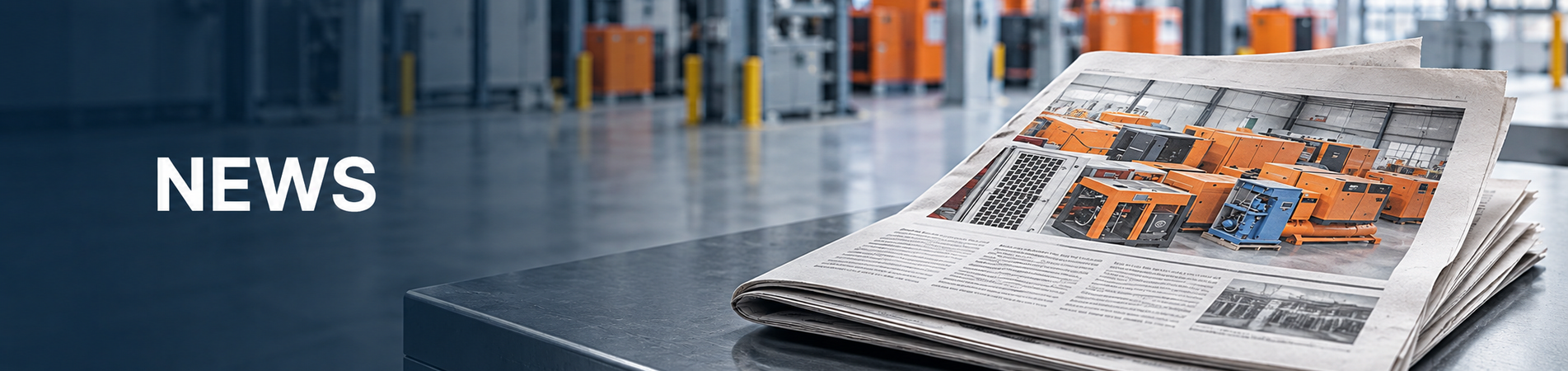
Los compresores de aire se pueden clasificar de diversas maneras, siendo las dimensiones principales su principio de funcionamiento, forma estructural, presión nominal y método de lubricación. Los distintos tipos de compresores de aire varían considerablemente en sus aplicaciones.
(I) Clasificación por principio de funcionamiento (la clasificación básica)
Compresores de aire de desplazamiento positivo: Consiguen la compresión del aire modificando el volumen del gas. Son los más utilizados, representando más del 90% de la cuota de mercado.
Compresores de aire de pistón alternativo: Comprimen el aire en el cilindro mediante el movimiento alternativo de un pistón en su interior. Con una estructura simple, bajo costo y un amplio rango de presión (incluso ultra alta), son adecuados para pequeñas y medianas empresas, estaciones de mantenimiento y otros entornos. Sus desventajas incluyen un alto nivel de ruido, vibraciones notables y la necesidad de reemplazar periódicamente piezas vulnerables como los anillos del pistón.
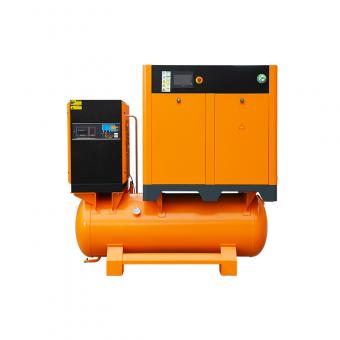
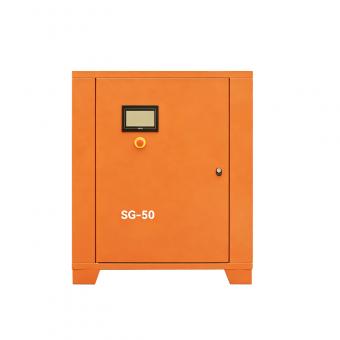
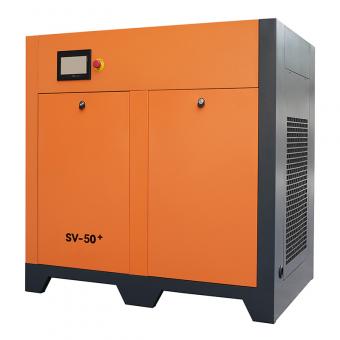
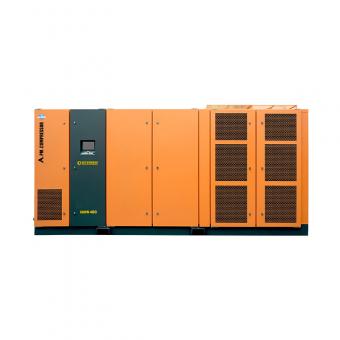
Compresores de aire de tornillo: Divididos en tipos de doble tornillo y de un solo tornillo, comprimen el aire mediante la rotación de engranaje de dos (o un) tornillo(s). Con ventajas como alta eficiencia, ahorro de energía, bajo nivel de ruido, funcionamiento estable y fácil mantenimiento, son el tipo más utilizado en la producción industrial actual, adecuados para grandes fábricas, líneas de montaje y otros entornos que requieren un suministro de aire continuo y estable.
Compresores de aire scroll: La compresión de aire se logra mediante el movimiento relativo de un rotor en espiral giratorio y otro fijo, que forman y reducen gradualmente volúmenes sellados. Se caracterizan por su pequeño tamaño, nivel de ruido extremadamente bajo y alta eficiencia energética, lo que los hace idóneos para entornos sensibles al ruido (por ejemplo, atención médica, laboratorios, electrónica de precisión). Sus desventajas radican en la presión y el caudal de aire relativamente limitados.
Compresores de aire dinámicos: Transfieren energía mecánica al aire mediante un impulsor giratorio de alta velocidad para acelerar el flujo de aire y, posteriormente, convierten la energía cinética en energía de presión a través de un difusor. Son adecuados para aplicaciones con gran desplazamiento de aire y presión media-baja.
Compresores de aire centrífugos: Comprimen el aire mediante fuerza centrífuga, con gran caudal, presión estable y funcionamiento suave. Son adecuados para grandes fábricas, centrales eléctricas, la industria química y otros entornos que requieren un suministro continuo de aire a gran escala. Sus desventajas son su estructura compleja, la elevada inversión inicial y su escasa adaptabilidad a los cambios en las condiciones de trabajo.
Compresores de aire de flujo axial: Impulsan el aire para que fluya y lo comprimen mediante impulsores de flujo axial, con un desplazamiento de aire extremadamente grande y baja presión. Se utilizan principalmente en entornos especiales como la industria aeroespacial y grandes túneles de viento.
(II) Clasificación por método de lubricación
Compresores de aire lubricados con aceite: Requieren aceite lubricante para participar en el proceso de compresión, ofreciendo una buena lubricación, un sellado eficaz y una larga vida útil. Sin embargo, el aire comprimido de salida contiene una pequeña cantidad de aceite y necesita un tratamiento de purificación posterior, lo que los hace adecuados para entornos con bajos requisitos de calidad del aire (por ejemplo, construcción, minería).
Compresores de aire sin aceite: Divididos en tipos "sin aceite" y "con lubricación sin aceite", no utilizan aceite lubricante durante la compresión y suministran aire comprimido de alta pureza. Son adecuados para aplicaciones médicas, alimentarias, electrónica de precisión, farmacéuticas y otros sectores con requisitos de calidad del aire extremadamente altos, aunque presentan la desventaja de un mayor coste y requisitos de mantenimiento más estrictos.
(III) Clasificación por presión nominal
Compresores de aire de baja presión: Presión de descarga ≤ 1,0 MPa, adecuados para herramientas neumáticas comunes (por ejemplo, llaves inglesas, pistolas pulverizadoras), ventilación, refrigeración y otros usos.
Compresores de aire de presión media: 1,0 MPa < presión de descarga ≤ 10 MPa, adecuados para la industria química, el procesamiento mecánico, los sistemas de control neumático y otros escenarios.
Compresores de aire de alta presión: Presión de descarga > 10 MPa, adecuados para situaciones especiales como el inflado de cilindros de gas a alta presión, el buceo y la industria aeroespacial.



 IPv6 red compatible
 English
 français
 Deutsch
 русский
 español
 português
 日本語
日本語 한국의
한국의 ไทย
ไทย 中文
中文