qué estás buscando?
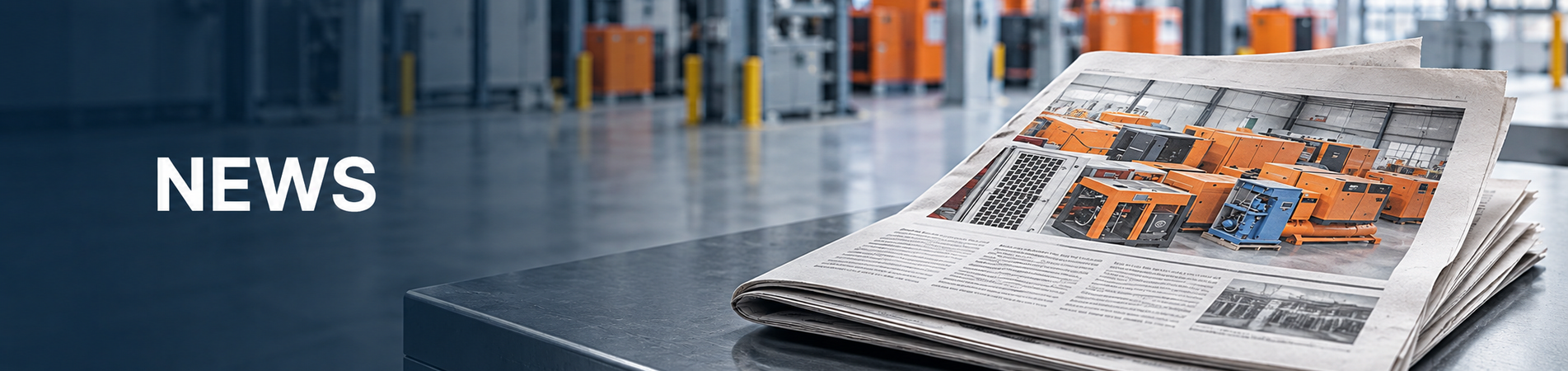
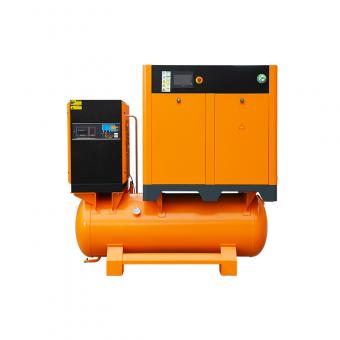
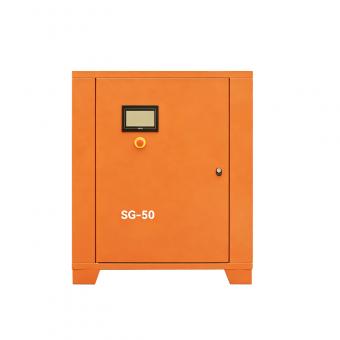
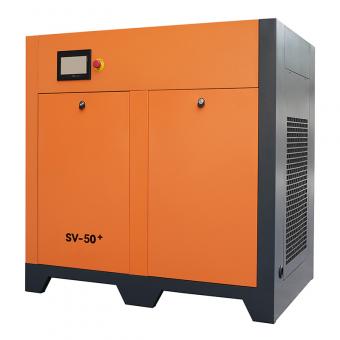
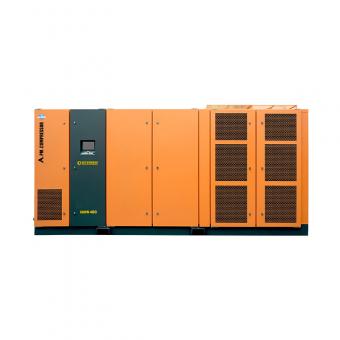
Ante el cambio de la industria logística hacia la inteligencia y la alta eficiencia, el aire comprimido, una fuente de energía limpia, fácilmente transmisible y de ajuste flexible, se ha adoptado en todos los procesos logísticos integrales, incluidos el almacenamiento, la clasificación, el transporte y la carga/descarga. Como equipo central para la producción de aire comprimido, los compresores de aire actúan como un "motor invisible" que sustenta el funcionamiento eficiente de los sistemas logísticos. Desde las líneas inteligentes de clasificación en parques logísticos de comercio electrónico hasta la manipulación de mercancías en terminales portuarias, desde las operaciones de precisión en almacenes automatizados hasta el mantenimiento rutinario de vehículos logísticos, los compresores de aire se utilizan ampliamente, impulsando silenciosamente mejoras continuas en la eficiencia operativa de la logística.
El almacenamiento y la clasificación inteligentes representan el escenario de aplicación más concentrado de los compresores de aire. Impulsada por el crecimiento explosivo del sector del comercio electrónico, la demanda de clasificación logística se ha disparado, haciendo que la clasificación manual convencional sea incapaz de procesar los enormes volúmenes de pedidos. El suministro estable de aire comprimido proporcionado por los compresores de aire alimenta varillas de empuje neumáticas, ventosas y otros componentes de las líneas de clasificación para permitir la rápida desviación y el posicionamiento preciso de los paquetes. Una línea de clasificación automatizada en un parque logístico de comercio electrónico puede procesar 12.000 paquetes por hora, mantenida por el suministro continuo de aire de diez compresores de aire de tornillo. En los almacenes automatizados de gran altura, los compresores de aire accionan los conjuntos de control neumático de los transelevadores y vehículos lanzadera para lograr el almacenamiento, la recuperación y el bloqueo automático de ubicaciones de mercancías, aumentando drásticamente el aprovechamiento del espacio del almacén y la productividad operativa y facilitando el modelo operativo inteligente de mercancía a persona.
Los compresores de aire ofrecen ventajas destacadas en la carga, descarga y manipulación de mercancías. En comparación con los sistemas hidráulicos convencionales, los sistemas neumáticos presentan un peso más ligero y un mantenimiento más sencillo, y se instalan ampliamente en sistemas de frenado y elevación neumáticos de carretillas elevadoras logísticas, además de polipastos neumáticos y carretillas elevadoras neumáticas para el transporte de mercancías. En puertos y parques logísticos, las herramientas de desbloqueo accionadas por aire mediante compresores de aire permiten una apertura rápida de contenedores, mientras que los equipos neumáticos de manipulación trasladan con flexibilidad mercancías de distintos pesos para reducir la carga de trabajo manual y disminuir el riesgo de daños en la carga, especialmente para la manipulación eficiente de productos sobredimensionados y pesados.
Los compresores de aire también desempeñan un papel fundamental en el embalaje logístico y los servicios auxiliares. En los procesos de embalaje de mensajería, alimentan máquinas flejadoras de alta velocidad, selladoras de cajas y equipos de etiquetado. El sellado de cajas con adhesivo termofusible activado mediante flujo de aire pulsado eleva la tasa de calificación del sellado por encima del 99,9%, mientras consume apenas una quinta parte de la energía requerida por las alternativas eléctricas. Además, los compresores de aire respaldan el mantenimiento rutinario de los vehículos logísticos al suministrar aire para el inflado de neumáticos y gatos neumáticos, garantizando un tránsito seguro de los vehículos. Para la logística especializada de polvos a granel, los compresores de aire de tornillo de baja presión facilitan el transporte eficiente de polvo y evitan la formación de grumos en los materiales para mejorar el rendimiento de entrega.
Impulsados por el avance de la logística inteligente, los propios compresores de aire están evolucionando hacia una mayor eficiencia energética e inteligencia. Las estaciones inteligentes de aire comprimido ajustan de forma autónoma los parámetros operativos de los compresores en respuesta a las fluctuaciones del consumo de aire derivadas de las actividades logísticas. Los compresores de frecuencia variable con imanes permanentes reducen el consumo energético en más de un 20% frente a los modelos tradicionales, disminuyendo significativamente los costes operativos de las empresas logísticas. Las estadísticas muestran que los compresores de aire han alcanzado una tasa de cobertura de instalación del 75% en parques logísticos inteligentes en 2025; su fiabilidad, eficiencia y ventajas de ahorro energético los convierten en un elemento clave para que las empresas logísticas reduzcan costes, aumenten la productividad y avancen hacia una transformación ecológica.
Desde una logística intensiva en mano de obra hasta una logística impulsada por la inteligencia, los compresores de aire están encontrando aplicaciones cada vez más amplias y profundas. Mucho más allá de ser simples equipos de energía, constituyen un pilar fundamental para la modernización inteligente de ecosistemas logísticos completos. En el futuro, junto con el avance industrial sostenido, los compresores de aire se integrarán aún más con el IoT, los macrodatos y otras tecnologías para optimizar la eficiencia del consumo de aire, adaptarse a aplicaciones logísticas más segmentadas y proporcionar un impulso duradero para el desarrollo de alta calidad de la industria logística.



 IPv6 red compatible
 English
 français
 Deutsch
 русский
 español
 português
 日本語
日本語 한국의
한국의 ไทย
ไทย 中文
中文